Samurai Champloo
サムライチャンプルー
Synopsis
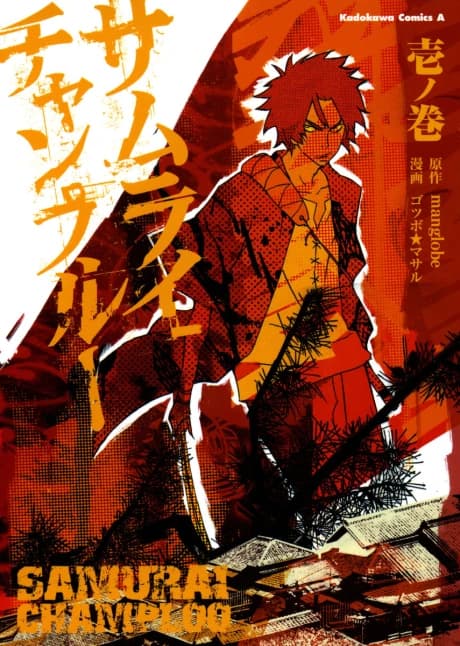
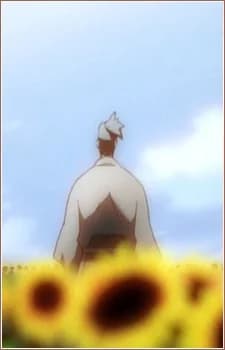
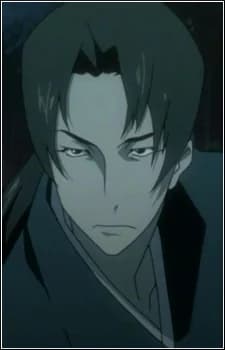
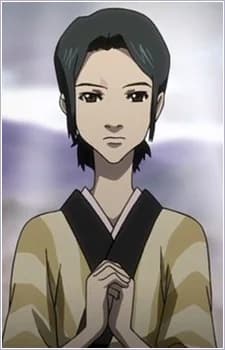
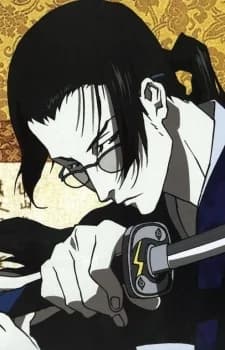
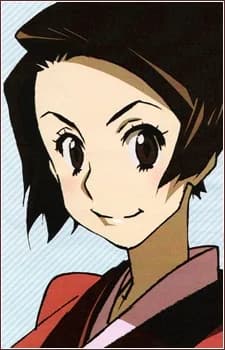
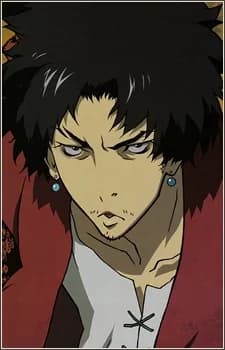
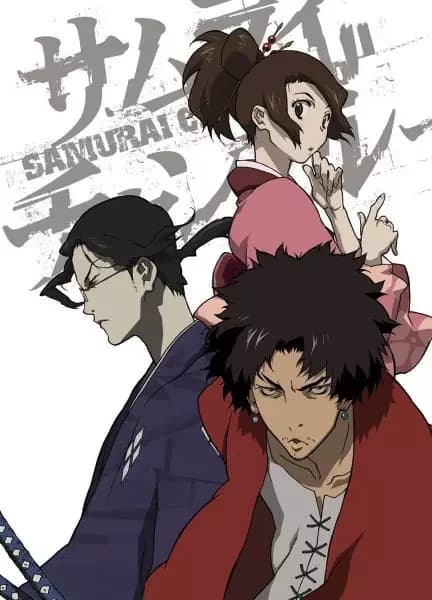
Fuu Kasumi, a bumbling young waitress, lives a tranquil existence at a modest teahouse until she clumsily spills a drink on a patron, triggering harassment from a gang of samurai. In a moment of panic, she summons Mugen, another samurai present in the establishment, who swiftly neutralizes the aggressors using a unique combat style blending breakdancing with martial arts. Mugen subsequently goads Jin, a reserved and highly skilled ronin renowned for his traditional swordsmanship, sparking a violent clash that demolishes the teahouse and accidentally results in the death of the magistrate's son. Apprehended and condemned to death for their actions, Mugen and Jin are liberated by Fuu, who employs them as her protectors. Having lost her home, Fuu resolves to hunt down a samurai who carries the scent of sunflowers, convincing the two former warriors to accompany her on this mission. Though initially hesitant, they consent to aid her. The trio sets off on a journey brimming with action, comedy, and fierce sword battles, all underscored by a distinctive hip-hop soundtrack. Their travels unfold in an alternate Edo Period Japan, where this unconventional group seeks to solve the mystery of the sunflower-scented samurai while striving to prevent Mugen and Jin from coming to blows with one another.
Background
Samurai Champloo is the only anime to have featured music from the Japanese hip-hop producer Nujabes prior to his death in 2010. The anime also spawned the 2006 video game Samurai Champloo: Sidetracked for the PlayStation 2. The show aired in two parts, with the first half airing Thursdays at 2:28 AM on Fuji TV from May 20, 2004 to September 23, 2004, and the second half airing Saturdays at 10:30 AM on BS Fuji from January 22, 2005 to March 19, 2005. Geneon Entertainment USA originally licensed and released the show in North America, but after their closure in late 2007, the show went out of print. FUNimation Entertainment later entered a distribution deal with Geneon to distribute some of their titles, including Samurai Champloo. After the distribution deal ended, FUNimation later outright licensed the series.