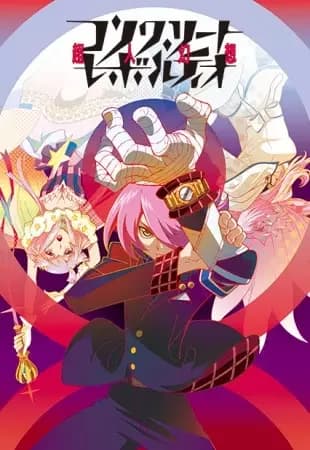
The series adapts six modern classics of Japanese literature: Osamu Dazai's No Longer Human (Ningen Shikkaku) and Run Melos! (Hashire Melos!), Natsume Soseki's Kokoro, Ryunosuke Akutagawa's Hell Screen (Jigoku Hen) and The Spider's Thread (Kumo no Ito), and Ango Sakaguchi's In the Forest, Under Cherries in Full Bloom (Sakura no Mori no Mankai no Shita).
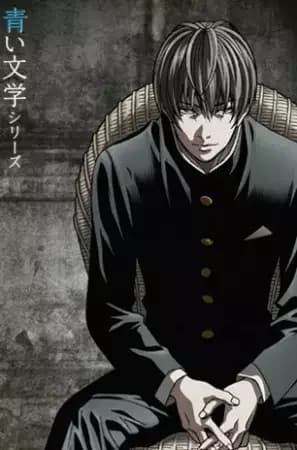
No Longer Human (Ningen Shikkaku) - A high school student grows lost and estranged. Hopeless and without direction, he spirals into a pattern of self-harm, depression, and drug use that blights his life for years. Told across three chapters, each focusing on a different stage of his existence, the final chapter leaves him isolated—a hollow, empty caricature of who he once was.
In the Forest, Under Cherries in Full Bloom (Sakura no Mori no Mankai no Shita) - A romance between a 12th-century woman and a mountain bandit who kidnaps her.
Kokoro - A 1914 story of a young man's life journey through the Meiji era. The work examines the shift from Japan's Meiji society to the modern age by exploring the bond between a young man and an older man he refers to as "Sensei." It continues the isolation theme found in Soseki's earlier works, now within interwoven threads of egoism and guilt, rather than shame.
Run Melos! (Hashire Melos!) - A modernized version of the classic Greek tale of Damon and Pythias. The central theme of "Run Melos!" is steadfast friendship. Despite encountering many obstacles, the protagonist Melos strives to save his friend's life, and his efforts are ultimately rewarded.
The Spider's Thread (Kumo no Ito) - The Buddha Shakyamuni happens to notice a cold-hearted criminal suffering in Hell. Yet this criminal once performed a single act of kindness: he did not crush a spider in a forest. Touched by this selfless deed, Shakyamuni lowers a silvery spider's thread from Paradise down into Hell, but it is up to the criminal to seize the chance and pull himself out—if he can.
Hell Screen (Jigoku Hen) - A renowned artist is commissioned by a powerful lord to paint a series of scenes depicting the 'Buddhist Hell.' Unable to paint what he has not witnessed, the artist tortures and torments the lord's staff to recreate his imagined hellish visions. His creative obsession corrupts the household as the story descends into madness and ruin.