




Summary
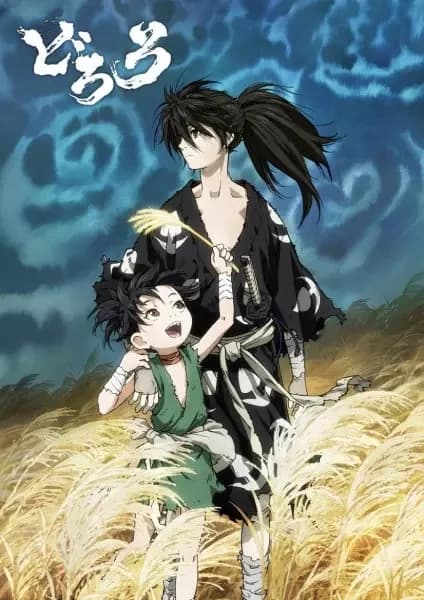
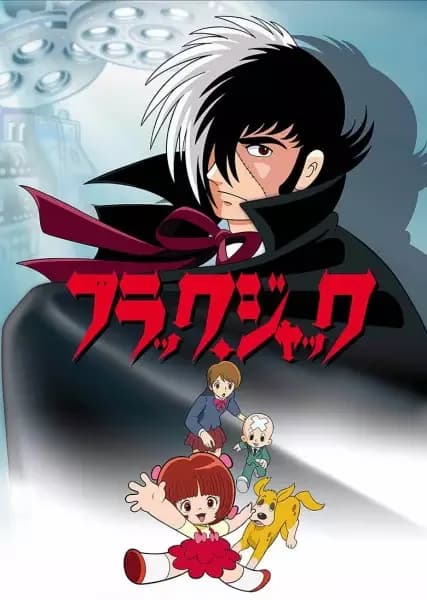
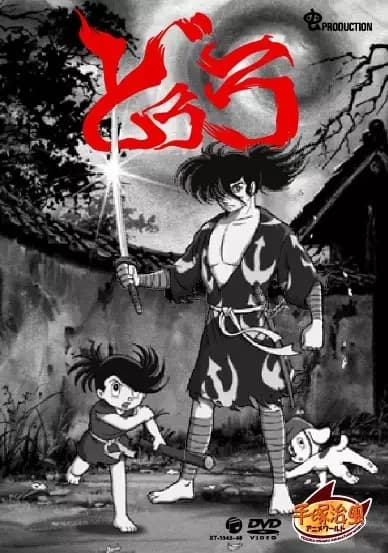
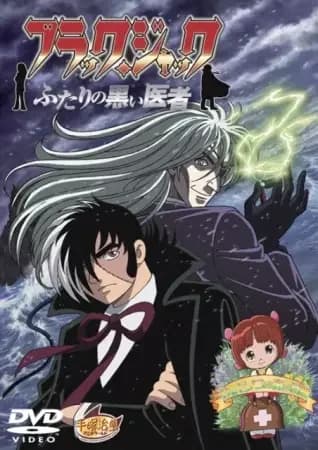
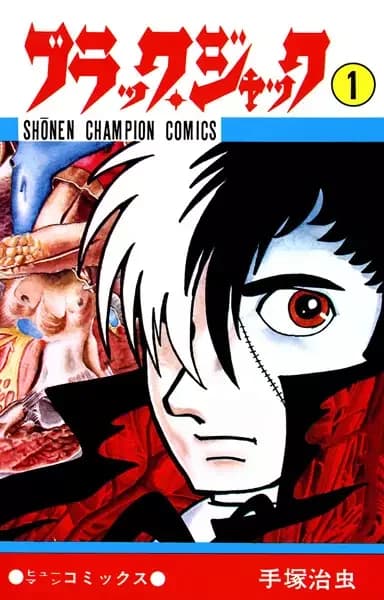
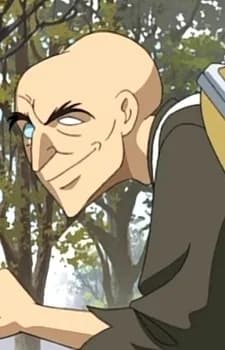
Biwamaru is a blind, itinerant acupuncture doctor who travels across Japan, curing various ailments with miraculous speed. His appearance is extremely disheveled; he wears rags, carries a rough bundle on his back, and walks with a twisted stick as a cane. Like Black Jack, he is effectively an unlicensed doctor, as his practices are dismissed as quackery by the medical establishment. However, Biwamaru considers surgery barbaric. He serves as a nemesis to Black Jack, similar to Dr. Kiriko, as their similarities prevent them from forgiving their differences. Biwamaru also appears in Tezuka’s best-known samurai manga, Dororo. In issue #126 of Black Jack, titled "The Blind Doctor of Acupuncture," Biwamaru arrives in Black Jack’s town, sparking immediate mutual hatred. Each dismisses the other as a quack, yet neither can deny the effectiveness of the other’s treatments. Biwamaru provides his services free of charge, contrasting sharply with Black Jack’s outrageous fees and leading to local criticism of the latter. Their interactions devolve into repeated attempts to prove the other a fraud, which generally fail, though each learns bitter lessons about the limitations of their respective methods. They reunite in issue #141, "Death of Hyojisai," at a hot spring. There, they discover that both make regular pilgrimages to the same world-famous master forger: one for scalpels and the other for needles. When the forger, Hyojisai, falls ill, the two compete to cure him. Hyojisai uses his condition to teach them that, despite their skills, both are powerless against fate, resulting in a bitter experience for both doctors. The trailer for the upcoming Two Dark Doctors movie suggests it will include scenes from this issue. Notably, Biwamaru also appears in Dororo as a blind musician and master swordsman. The crippled samurai Hyakkumaru, widely acknowledged as a prototype of Black Jack, encounters Biwamaru in this series and becomes his student in sword fighting, creating an interesting reversal of his role in Black Jack.