In 1814, within Edo—present-day Tokyo—the city buzzes with a varied population: peasants, samurai, merchants, nobles, artisans, courtesans, and perhaps even supernatural beings.
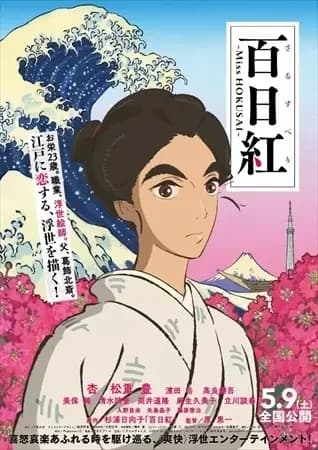
Tetsuzo, a celebrated artist nearing sixty, receives commissions from across Japan. He works tirelessly in his chaotic home-studio, producing extraordinary works like a massive Bodhidharma painting on an 180-square-meter sheet of paper and sparrows drawn on a single grain of rice. Known for a hot temper, sharp wit, and indifference to alcohol and riches, he charges steep fees for projects he would rather avoid.
O-Ei, Tetsuzo's third daughter from his second marriage, is a no-nonsense twenty-three-year-old who has inherited her father's artistic skill and stubbornness. She often paints on his behalf without receiving credit. The power of her creations sometimes stirs up trouble. "Together, we can manage with our two brushes and four chopsticks, come what may," she says.
Years later, Europe would recognize Tetsuzo's extraordinary talent under one of his many names: Katsushika Hokusai. His art would enchant Renoir, van Gogh, Monet, and Klimt.
Yet few know of the woman who supported him and significantly contributed to his art without recognition. This story focuses on O-Ei, the overlooked daughter of Master Hokusai, portraying a spirited woman living in the shadow of her legendary father as the seasons pass.