

Synopsis
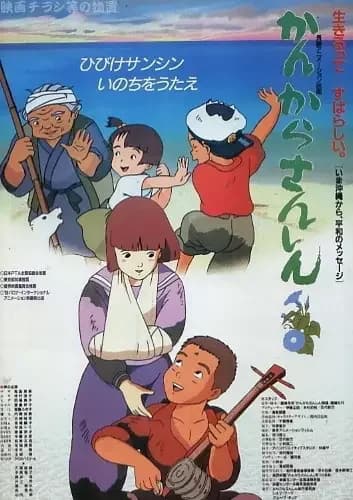
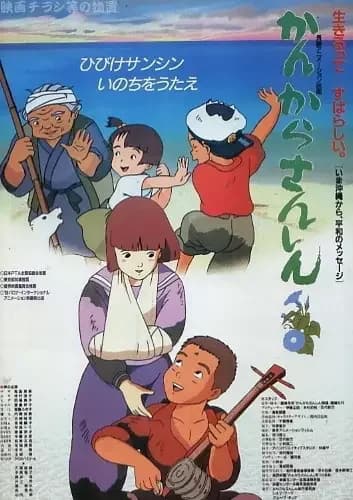
A cinematic depiction of the Battle of Okinawa, which unfolded in the closing days of World War II. As part of the Allies' island-hopping strategy, the ferocious combat that erupted on Okinawa inflicted catastrophic casualties upon the civilian population, scarred the landscape beyond recognition, and left an indelible wound on the Okinawan people that would never fully heal. In the war's aftermath, the islands came under the jurisdiction of the United States military. Stripped of virtually all possessions and faced with an acute shortage of natural resources, the Okinawans found themselves locked in a desperate daily struggle merely to secure the essentials of survival. Yet even in the face of such overwhelming hardship, they turned to song and dance as a means of lifting their spirits and making the most of their circumstances. However, the relentless shelling, aerial bombardment, and ground combat between Japanese and American forces had destroyed nearly everything of value on the island, and the traditional sanshin—an Okinawan stringed instrument and the forerunner of the Japanese shamisen—had become exceedingly rare and nearly impossible to obtain. The Americans, meanwhile, distributed powdered milk and other provisions to stave off widespread starvation. And from those very tin cans, the Okinawans discovered a way to bring music back to their people once more.