
Sinopse
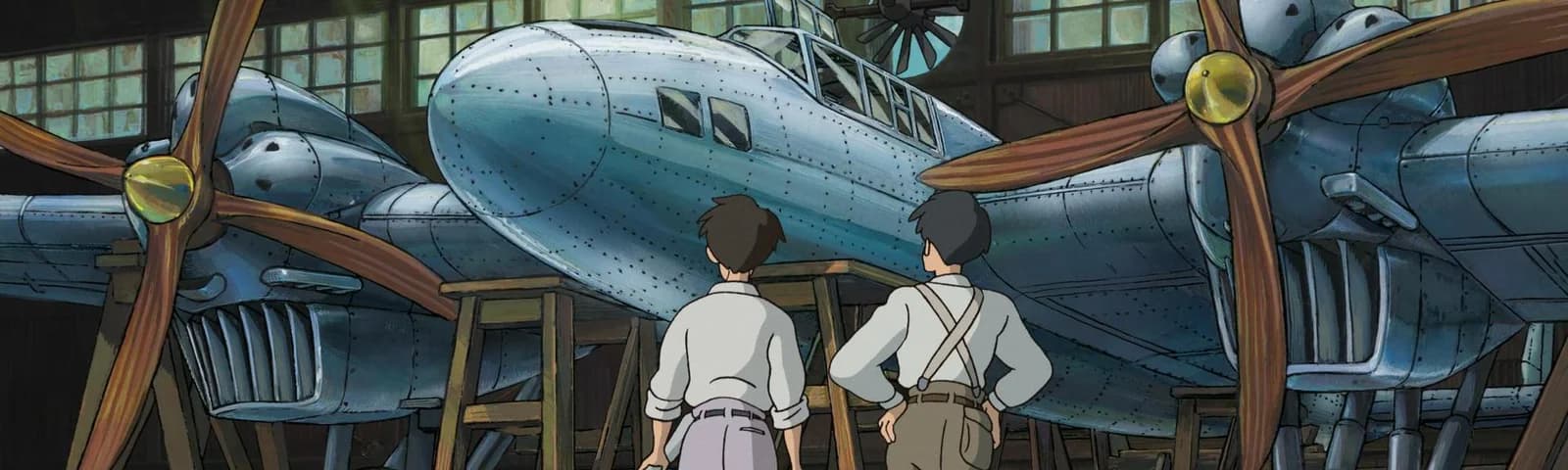
A miopia severa de Jirou Horikoshi destrói seu sonho de se tornar piloto, então ele sai de casa para estudar engenharia aeronáutica na Universidade Imperial de Tóquio com um único objetivo: projetar e construir aeronaves como seu ídolo, o pioneiro da aviação italiana Giovanni Battista Caproni. Sua chegada a Tóquio coincide com o Grande Terremoto de Kantō de 1923, durante o qual ele resgata uma empregada que servia a família de uma jovem chamada Naoko Satomi; essa catástrofe marca o início de mais de duas décadas de turbulência social e descontentamento que levam à eventual rendição do Japão na Segunda Guerra Mundial. Para Jirou, os anos que antecedem a criação de seu infame caça Mitsubishi A6M Zero testarão cada parte de si. Suas muitas jornadas e experiências de vida apenas o impulsionam—mesmo quando ele passa a compreender tanto o papel de suas criações na guerra quanto as duras verdades de sua vida pessoal. Conforme o tempo passa, ele deve enfrentar uma questão impossível: a que preço ele persegue seu belo sonho?
Informações
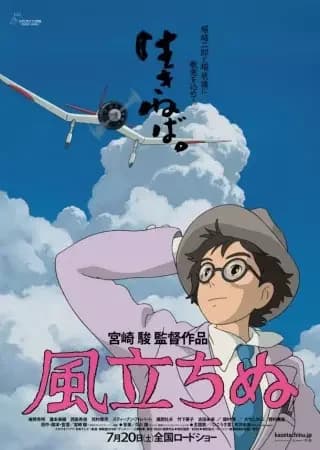
Antes de seu lançamento, o diretor Hayao Miyazaki declarou que Kaze Tachinu seria seu último filme. Como a maioria dos filmes de Miyazaki, foi o filme de maior bilheteria de seu ano de lançamento, arrecadando US$ 113 milhões nas bilheterias nacionais em 2013. O filme foi polêmico em ambos os lados do espectro político por sua representação simpática de Horikoshi e sua suposta postura antiguerra. O filme foi indicado ao Oscar, a terceira indicação de Miyazaki. O filme venceu vários prêmios. Em 2013, ganhou o prêmio de Melhor Animação durante o Alliance of Women Film Journalists, durante o New York Film Critics Online, durante o Online Film Critics Society, durante o San Francisco Film Critics Circle e durante o Toronto Film Critics Association. Também em 2013, ganhou o prêmio de Melhor Animação durante o Boston Online Film Critics Association (que empatou com Frozen), durante o Boston Society of Film Critics, durante o Chicago Film Critics Association, durante o New York Film Critics Circle e durante o San Diego Film Critics Society. No mesmo ano, ganhou o Audience Favorite – Animation durante o Mill Valley Film Festival e o Melhor Filme para a Família durante o Women Film Critics Circle. Em 2014, ganhou o Animation of the Year durante o Japan Academy Prize, o Melhor Filme de Animação durante o National Board of Review e o Best Motion Picture, Animated or Mixed Media durante o Satellite Awards.