Synopsis
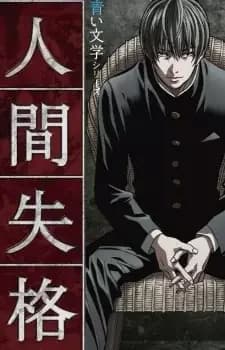
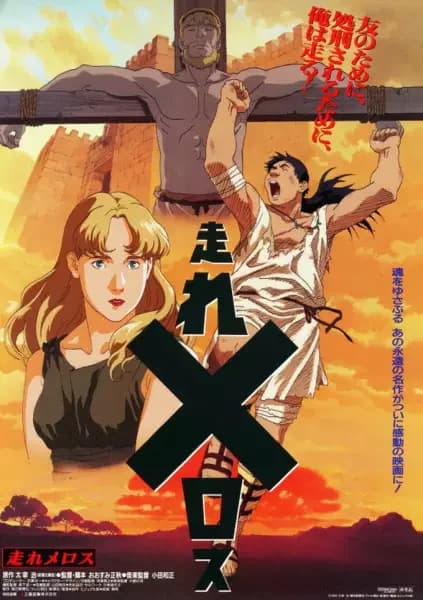
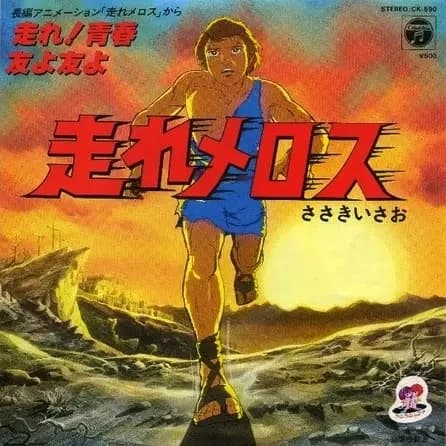
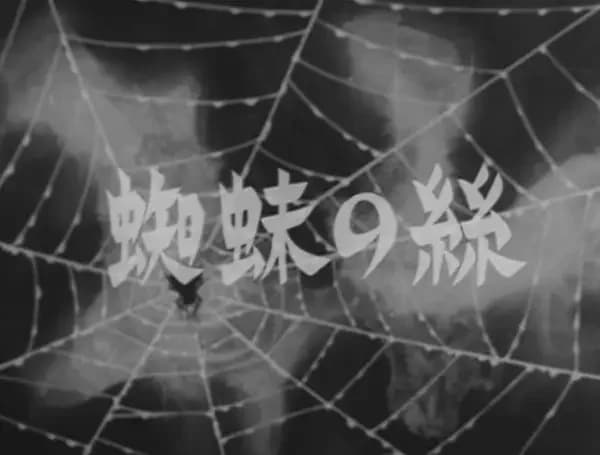
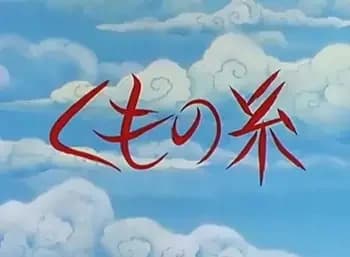
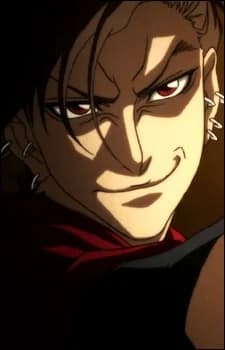
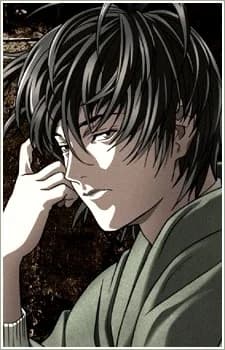
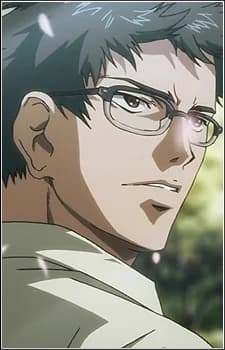
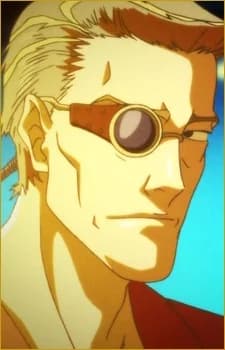
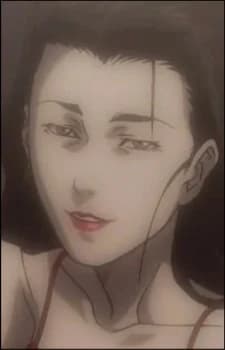
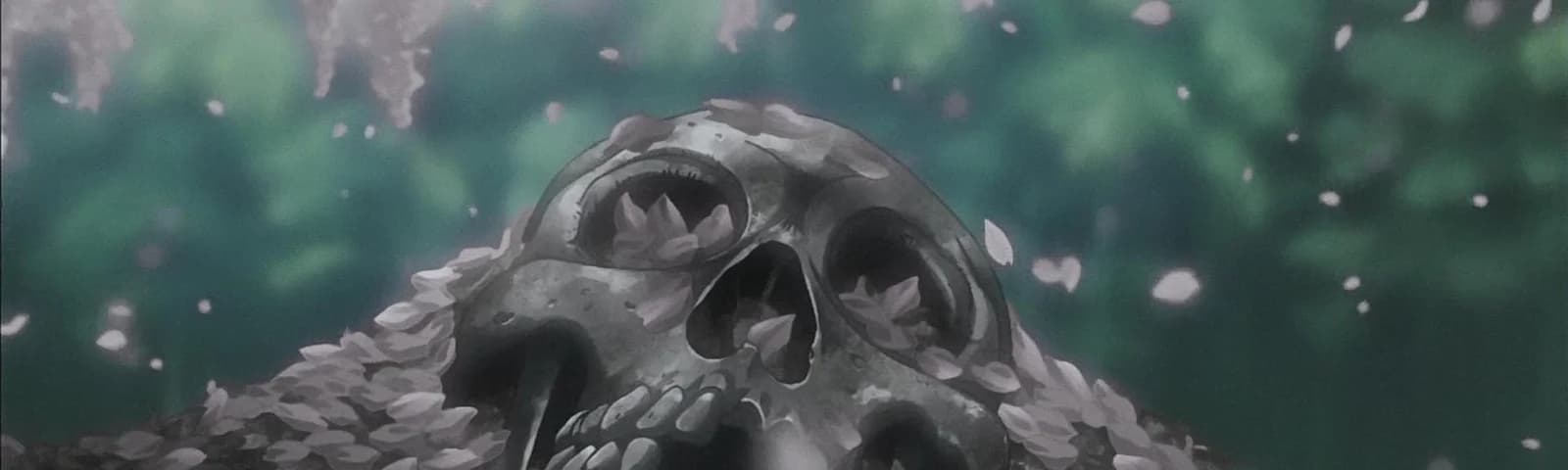
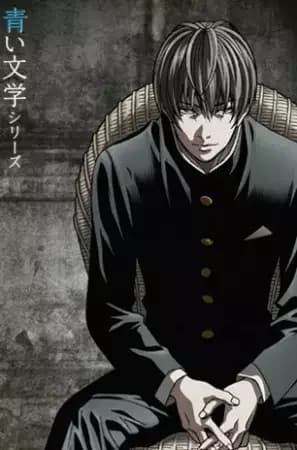
This series consists of six anime adaptations of modern Japanese literary classics: Osamu Dazai’s No Longer Human (Ningen Shikkaku) and Run Melos! (Hashire Melos!), Natsume Soseki’s Kokoro, Ryunosuke Akutagawa’s Hell Screen (Jigoku Hen) and The Spider's Thread (Kumo no Ito), plus Ango Sakaguchi's In the Forest, Under Cherries in Full Bloom. No Longer Human (Ningen Shikkaku) follows a student whose life takes on a complete loss of direction. Over the course of three different chapters, this young man slides into despair, addiction, and darkness, gradually wasting his years. The final chapter finds him alone as a burnt-out, haggard shadow of the person he once was. In the Forest, Under Cherries in Full Bloom (Sakura no Mori no Mankai no Shita) is a tale of love involving a woman from the 12th century and a mountain bandit who takes her by force. Kokoro is a 1914 story of a young man's path through the Meiji era, focusing on his growing friendship with an older mentor he calls "Sensei". The story is about the transition from Meiji period to modern time, building on themes of isolation from Soseki's prior work, this time through inherited strands of egoism and guilt. Run Melos! (Hashire Melos!) adapts the classic Greek account of Damon and Pythias. At its core is a friendship that never falters. Melos, the hero, stands by his promise to save his friend's life despite overwhelming obstacles, and at last his courage has earned its reward. The Spider’s Thread (Kumo no Moto) follows the Buddha Shakyamuni, who discovers an unsympathetic culprit undergoing agony in Hell. The prisoner once did mercy in the form of a single small act, failing to kill a spider he saw deep in battle. Taken by this selfless act, Shakyamuni sends down in a silken thread from Paradise to Hell, but the decision the fate of the condemned one has to act on his own—the thread waits for him to take it, if only he can. Hell Screen (Jigoku Hen) delves into a gifted artist who receives a commission from a great noble lord to paint scenes of the Buddhist Hell. Unable to create what he cannot witness personally, he foolishly attacks through the lord's servants and characters, crafting his twisted vision of hell as his bloodlust finally plunges the entire house into madness and catastrophe.
Background
Aoi Bungaku Series is adapted from renowned modern Japanese literary classics: Osamu Dazai's Ningen Shikkaku and Hashire, Melos!, Ango Sakaguchi's Sakura no Mori no Mankai no Shita, Natsume Souseki's Kokoro, and Ryuunosuke Akutagawa's Kumo no Ito and Jigokuhen.