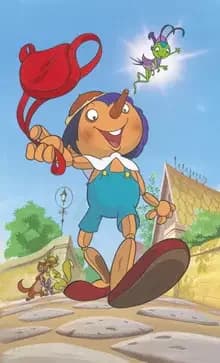
Kashi no Ki Mokku
樫の木モック
Synopsis
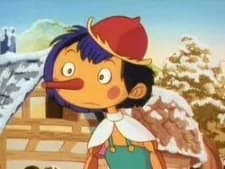
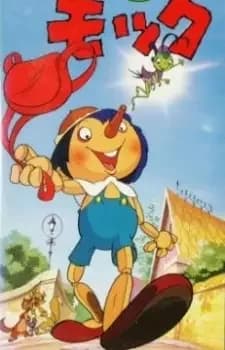
This adaptation of Pinocchio follows an exceptionally credulous, innocent, and morally bewildered wooden puppet who is animated by an enigmatic blue fairy. Mokku, as Pinocchio is called here, is portrayed with numerous flaws that he must overcome to earn the right to become human. Among these defects are selfishness, impoliteness, lack of empathy, laziness, stubbornness, excessive trust, self-pity, foolishness, defiance, habitual lying, arrogance, avarice, timidity, recklessness, cruelty, stupidity, and a persistent failure to learn from his errors. Across the whole series, Mokku—frequently because of his own misbehavior and repeated defiance—faces painful and costly trials, enduring endless torment, persecution, harassment, humiliation, deception, mockery, exclusion, beatings, oppression, and other degrading, inhuman treatment. The show's unflinching portrayal of the harsh reality of being literally less than human while growing up in a dangerous, difficult world makes it yet another strong example of classic Japanese storytelling, where moral discipline is instilled through hard-won perseverance.