

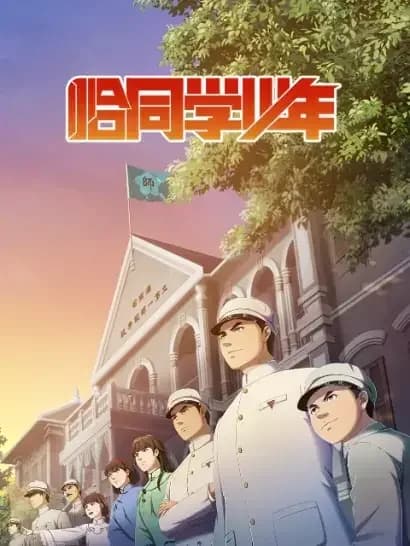
Synopsis
In 1913, in Changsha, Hunan Province, the esteemed educator Kong Zhaoshou became principal of Hunan No. 1 Normal School. He aggressively implemented modern educational reforms, recruiting outstanding Chinese and international teachers including Yang Changji, leading to a complete transformation of the institution. The revitalized No. 1 Normal School drew numerous applicants for entrance. The 19-year-old Mao Zedong gained admission to this centuries-old institution with the top score. During their shared academic life, Mao Zedong, Cai Hesen, Xiao Zisheng, and other ambitious young people formed close bonds. Concurrently, female students from Hunan Private Zhounan Women's Normal School—such as Tao Siyong, Xiang Jingyu, and Yang Kaihui—joined them due to common interests. A reading society comprised of progressive young students became a foundation for their learning, exchange, and intellectual debate. However, the unstable political climate disrupted campus life. Amid opposition to Sino-Japanese friendship, warlord Tang Xiangming forced Principal Kong out through armed coercion, and Mao Zedong barely escaped arrest. These harsh realities caused Mao Zedong to question his beliefs in education-based national salvation and reformist approaches.